
In 2026, average resident retention slipped to 57%, down from 60% in 2024 (Zego, 2026 Resident Experience Management Report). Renters who are happy with maintenance are 57% more likely to renew, and 84% expect a reply within 24 hours (Buildium, 2026 Renters' Report). AI earns its place on three jobs: answering routine requests, triaging work orders, and spotting renewal risk early.
A tenant texts at 9:40 p.m. that water is dripping through the bathroom ceiling. Your office closed at five. The voicemail box is full of yesterday's questions about parking. By morning, that resident has already decided whether they'll renew, and it has very little to do with the drip itself.
Maintenance and communication sit at the center of nearly every renewal decision, and most property managers are handling both with the same headcount they had three years ago. This post walks through where AI genuinely helps with tenant requests, maintenance triage, and renewal retention, where it shouldn't be trusted, and how to run a 30-day pilot without touching the property management software you already use.

Why Are Property Managers Turning to AI Now?
Adoption has moved from experiment to habit. In September 2026, a survey of 3,662 U.S. property managers found 58% now use AI, up from 21% in 2023, and 78% of those users rely on it daily or nearly every day (IREM, AI use is growing fast in property management, September 2026).
The competitive stakes are showing up in growth plans, too. AppFolio's survey of 1,617 property management professionals, fielded from September to November 2025, found firms that have broadly adopted AI expect average portfolio growth of 31% in 2026, versus 12% for firms that haven't (AppFolio, 2026 Property Manager Benchmark Survey). Same market, same rents, very different ambition.
Here's the part worth noticing. That 31% versus 12% gap isn't about robots doing the work. It's about how many doors one team can responsibly manage once repetitive inquiries stop eating the day. Capacity, not novelty, is the real story.
How Can AI Handle Tenant Requests Without Adding Staff?
Speed is the entry ticket. In spring 2026, 84% of renters said they expect a reply from their property manager within 24 hours, and satisfaction with communication makes renters 58% more likely to plan on renewing (Buildium, 2026 Renters' Report, 1,500 U.S. renters). A tenant question left overnight is already inside that clock.
Most inbound messages fall into a handful of repeat categories. An AI assistant connected to your existing inbox, text line, or phone system can take the first pass:
- Status questions: “Where's my work order?” is the single most avoidable call. The assistant reads the ticket and answers.
- Policy and lease FAQs: Parking rules, guest limits, move-out notice periods, amenity hours, pet policy.
- Payment logistics: Due dates, how to pay, where to find a receipt. Not hardship conversations.
- After-hours intake: Capture the unit, the problem, and photos, then hand it to the right person with the full story attached.
Tenants mostly welcome this. In 2026, 43% of renters said they prefer digital-only channels for tracking maintenance status, and 49% for paying rent (Zego, 2026 Resident Experience Management Report). But the same report found 35% want human-only contact for neighbor or noise complaints. So the line is clear: automate the transactional, keep people on the personal.
If your phones are where requests pile up, our earlier look at AI voice agents and the missed-call problem covers how to add after-hours coverage on top of the line you already have.
What Does AI Maintenance Triage Actually Look Like?
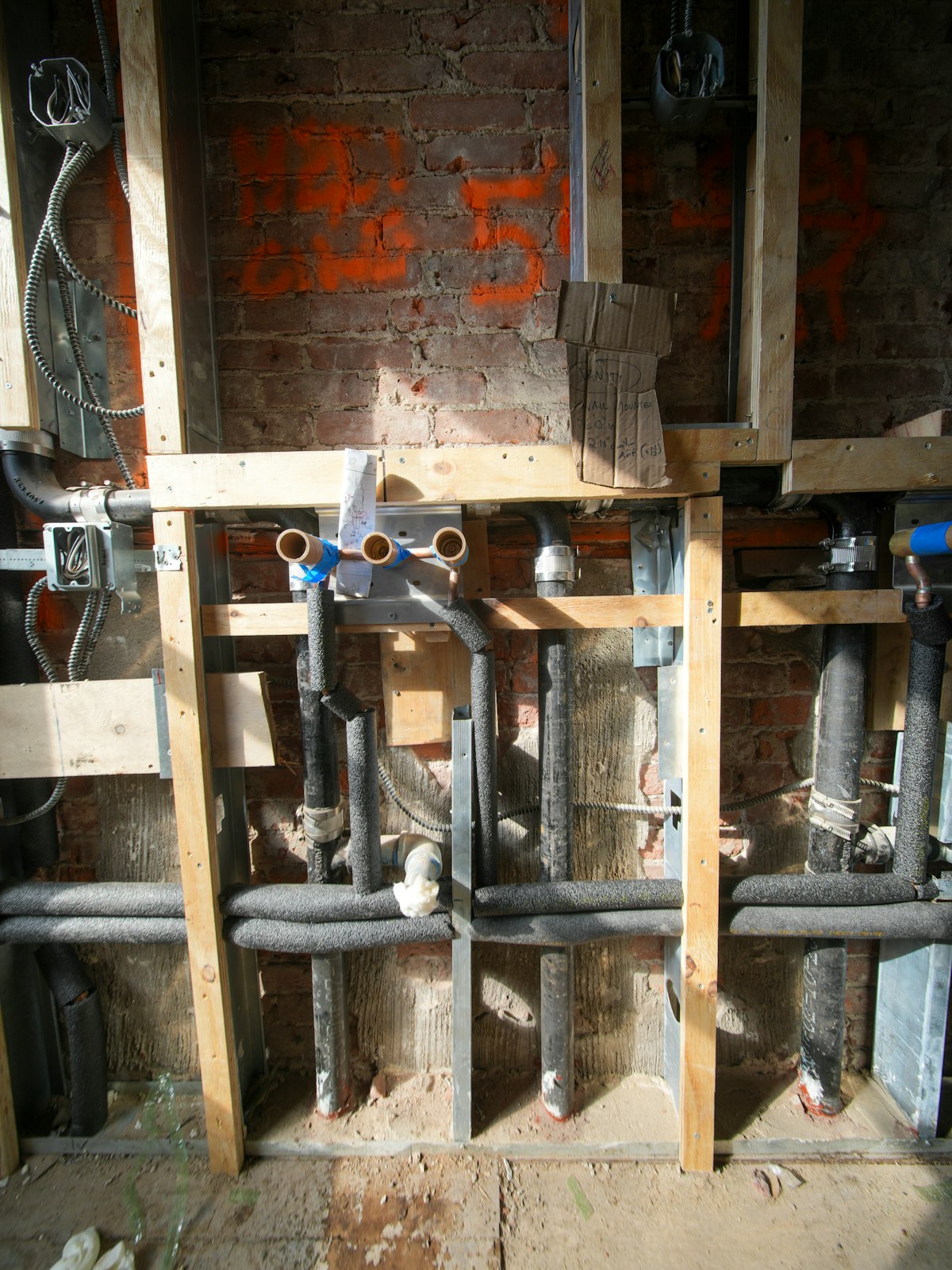
Maintenance is where renewals are won or lost. Buildium's 2026 report found 24% of renters name maintenance as their top source of stress, and 25% are dissatisfied with how repairs get completed. Those who are satisfied are 57% more likely to plan on renewing (Buildium, 2026 Renters' Report). Triage is the first hour of that experience.
A workable AI triage flow has four steps, and only the first three are automated:
- Capture: The assistant asks the same questions a good dispatcher would: which unit, what's happening, since when, is anyone in danger, and may a technician enter if you're out. It accepts photos and video.
- Classify: Requests get sorted into emergency, urgent, or routine. This step should lean on fixed rules for safety terms (active flooding, gas smell, no heat in winter, electrical sparking, fire, lockouts). Don't let a model “decide” whether a gas smell is serious.
- Route: Emergencies page a person immediately. Everything else goes to the right in-house tech or vendor by trade, with an appointment window proposed to the resident.
- Close the loop: The tenant gets status updates automatically, and a short check-in after completion catches the unhappy repair before it becomes a move-out.
That last step matters more than it looks. One in four renters is dissatisfied with completion, and most of them never tell the office. A two-question text after every closed ticket turns silent frustration into something you can fix while there's still a lease to save. It also feeds cleaner data to the vendors you already work with, a theme we covered from the trades' side in our post on AI for HVAC, plumbing, and electrical companies.
A slow repair doesn't just cost you a work order. It costs you the renewal conversation you haven't had yet.
Can AI Really Improve Lease Renewals?
It can, mostly by making sure you notice trouble before the notice-to-vacate arrives. Average resident retention fell to 57% in 2026, down from 60% in 2024, and 59% of property managers still expect it to improve (Zego, 2026 Resident Experience Management Report). That's a confidence gap worth taking seriously.
Consider what that 43% costs. Zego's survey of 630 property managers of communities with 250 or more units put average turnover at about $3,872 per unit once repairs, marketing, concessions, and lost rent are counted (Zego via Multifamily Dive, 2023, the most recent figure we could verify).
Run the numbers on a 100-unit building at 57% retention. That's 43 move-outs, or roughly $166,500 in turnover cost at that average. Lift retention by five points and you avoid five move-outs, about $19,400 a year. Your own cost per turn will differ, so swap in your real figure. The point is that small retention gains carry real dollars.
So where does AI fit? Three places, all of them quiet:
- Risk flags: An open ticket older than a week, two late payments, or a frustrated message tone gets surfaced to a manager before the renewal window opens.
- Renewal timing: Personalized outreach at roughly 120, 90, and 60 days, drafted by AI, sent under your name, and reviewed for at-risk residents.
- Rent increase checks: Renters begin reconsidering at an average increase of just 8% (Zego, 2026). Flag any renewal offer above that line for a human conversation.
Renewals also feed referrals. A resident who's had good repairs and clear communication is the one who recommends your building, which is the loop we unpack in The Referral Engine. The same retention logic works well beyond housing, as we saw in AI for gyms and fitness studios.

What Guardrails Do Property Managers Need Before Turning AI On?
Fewer than you'd think, but you do need them, and most teams don't have any. Only 8% of property management professionals report a formal written AI policy and just 26% have had formal AI training, even though 58% use AI (IREM, September 2026). IREM's own framing is blunt: staying neutral shifts the responsibility onto individual staff.
A one-page policy covers most of the exposure:
- Approved tools only: Name what's allowed and forbid pasting resident data into anything else. Our post on shadow AI explains why this matters.
- Humans decide on people: Screening, denials, and anything under fair housing rules (the U.S. Fair Housing Act, and provincial human-rights codes in Canada) stay with a trained person.
- Fraud awareness: 93% of surveyed managers are concerned about AI-generated fraudulent applicant documents (IREM, 2026), and 56% reported experiencing application fraud in the past year (AppFolio, 2026). Verify documents rather than trusting how polished they look.
- Resident data: Tenant details are personal information. Check the privacy rules where your buildings sit, whether that's PIPEDA and provincial law in Canada or state law in the U.S.
For a lightweight way to build this into your operations, see our guide on closing your AI governance gap.
How Do You Start Without Overhauling Your Software?
Layer, don't replace. Your property management platform stays the system of record. The AI sits on top, reads and writes to it, and hands off to your team. A 30-day pilot on a single building keeps the risk small:
- Baseline first: Record average first-response time, share of tickets acknowledged within 24 hours, and current renewal rate. Without these, you can't prove anything later.
- Pick one channel: Start with after-hours text or web requests, not everything at once.
- Hard-code the emergencies: Write the safety rules down and test them with staff before a single resident sees the system.
- Review weekly: Read a sample of conversations, fix wrong answers, and expand only when the numbers move.
Our AI-fy Your Business Processes service builds exactly this kind of layer, connecting request intake, triage, and resident updates to the tools your team already runs. If you're unsure where to begin or need the policy and readiness groundwork first, AI Strategy Consulting maps the right first workflow before any tool gets switched on.
A free AI audit with Aifyze is the quickest way to find out which of these three workflows would pay back first for your portfolio.
Frequently Asked Questions
Can AI handle tenant maintenance requests?
Yes, for intake, sorting, scheduling, and status updates. 84% of renters expect a reply within 24 hours (Buildium, 2026), and 43% prefer digital-only channels for tracking maintenance status (Zego, 2026). Emergencies should follow fixed rules that escalate to a human at once.
What should AI never handle in property management?
Keep people in charge of neighbor and noise disputes, payment hardship talks, lease disagreements, and applicant screening decisions. 35% of renters want human-only contact for neighbor or noise complaints (Zego, 2026), and fair housing rules apply to every screening decision.
How much does tenant turnover cost, and can AI reduce it?
Zego's survey put average turnover near $3,872 per unit (Zego via Multifamily Dive, 2023). With retention at 57% in 2026 (Zego), faster maintenance response and earlier renewal outreach can move a few points, which adds up quickly across a portfolio.
Do property managers need a written AI policy?
Yes. Only 8% have a formal written AI policy and 26% received formal training, though 58% use AI (IREM, September 2026, 3,662 U.S. property managers). A one-page policy covering approved tools, data handling, and human review closes most of the gap.
Will AI replace property management staff?
Current data suggests not. Among broad AI adopters, 34% plan to add headcount versus 25% of non-users, and they expect 31% portfolio growth versus 12% (AppFolio, 2026, 1,617 professionals). AI takes repetitive work so teams can manage more doors.