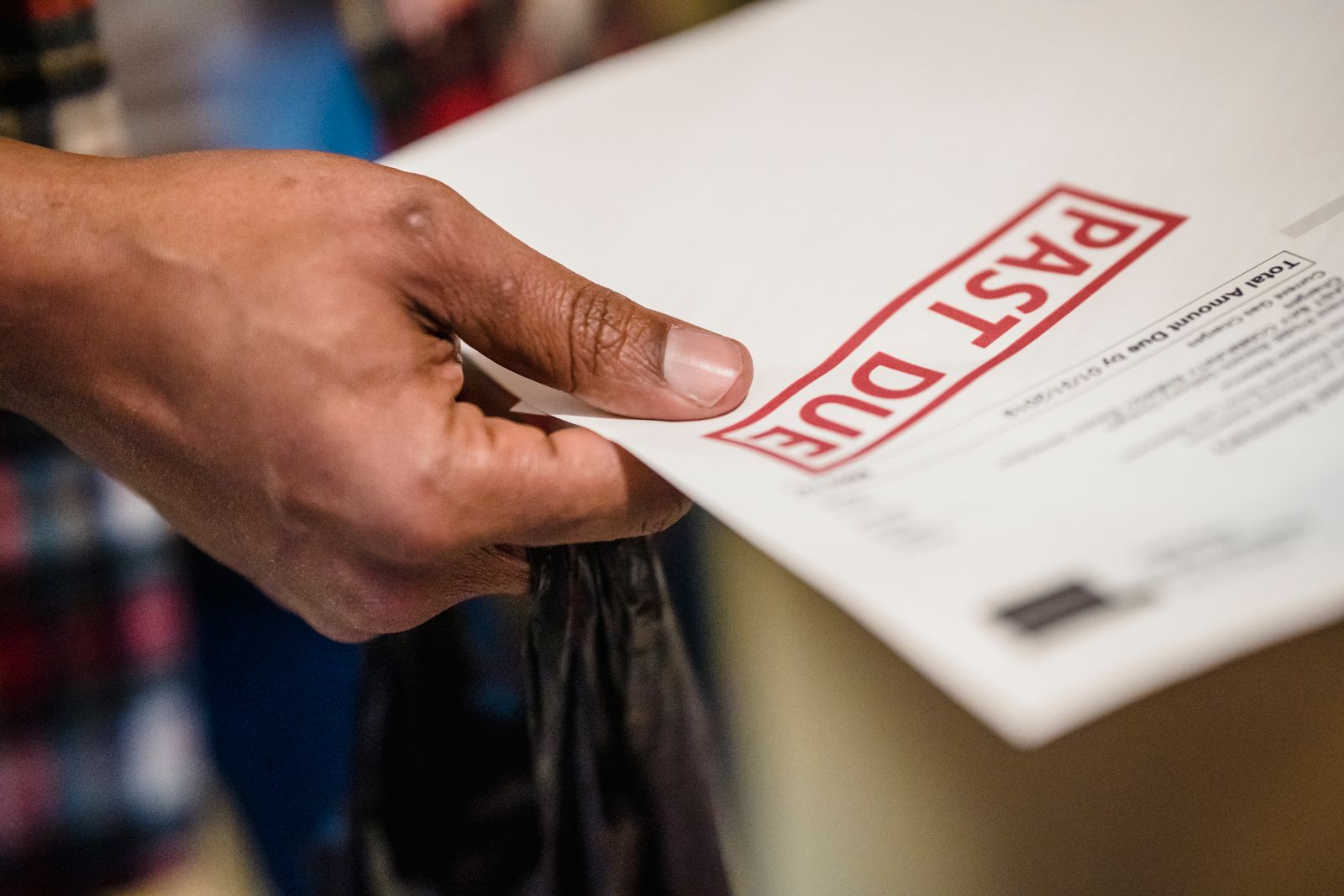
In Intuit’s 2026 Late Payments Report, 59% of small businesses carried invoices overdue by 30 days or more, up from 47% a year earlier (Intuit QuickBooks, 2026 Small Business Late Payments Report). The delay rarely starts at the invoice. It starts at slow quotes and manual handoffs. Fix the chain link by link, and let AI handle the follow-up your team never has time for.
You did the work. You sent the quote, got the yes, finished the job, and issued the invoice. Then you waited. And waited. Somewhere between “sounds good” and money in the bank, weeks disappeared, and nobody on your team could say exactly where.
That stretch is the quote-to-cash gap. This post walks through where it opens up, what AI can realistically do about each link in the chain, where automated collections go wrong, and how to test the whole thing in 30 days on the software you already own. If your documents are the bottleneck, our guide to intelligent document processing for invoices and contracts covers the front end of this story.

What Is the Quote-to-Cash Gap, and How Big Is It?
Quote-to-cash is every step between sending a quote and banking the payment, and in 2026 more small businesses are stuck partway through it. Intuit’s 2026 Late Payments Report found 59% of small businesses had invoices overdue by 30 days or more, up from 47% the year before, with those owed money averaging $17.7K (Intuit QuickBooks, 2026).
Canada tells the same story. Xero’s March 2026 quarter data showed Canadian small businesses waited an average of 29.8 days to be paid, up from 27.2 the quarter before, and were paid 11.6 days late on average, up from 10.5 (Xero, Canadian small business sales show first positive month in 2026, April 30, 2026).
Here’s what that lateness costs, using made-up round numbers. Say you bill 40 invoices a month at $2,500 each. That’s $100,000 a month, or about $3,300 a day. At 11.6 days late, roughly $38,700 of your own money is sitting in someone else’s account at any given time. Swap in your numbers. The point is that lateness isn’t an annoyance. It’s a loan you’re giving customers for free.
Owners feel it in the bank balance. Intuit’s 2026 report found 59% of small businesses paid for instant transfer or fast deposit in 2025 just to reach money they’d already earned, and 49% said standard payment processing times create critical or moderate cash-flow gaps. For forecasting what comes next, see our look at AI cash flow forecasting.
Where Does Money Actually Leak Between Quote and Payment?
Almost always at handoffs, not at the invoice itself. In Canada, Atradius’s 2024 Payment Practices Barometer found an average of 46% of B2B trade credit invoices were overdue, and bad debts written off as uncollectable averaged 6% of all B2B invoices (Atradius, B2B payment practices trends, Canada 2024, September 2024). The causes sit upstream of the due date.
Walk the chain and you’ll find the same six leaks in most small businesses:
- The slow quote: The enquiry sits in an inbox for two days while the buyer talks to someone faster.
- The silent quote: Sent once, never followed up, and quietly forgotten by both sides.
- The re-keying step: Someone retypes the accepted quote into the accounting system, so the invoice goes out late or with errors.
- The invoice-and-forget: It’s sent, marked “done,” and nobody looks at it again until it’s a month old.
- The payment friction: No pay link, one payment method, or a PDF that has to be printed and mailed.
- The reconciliation lag: Money arrives but isn’t matched, so reminders go to customers who already paid.
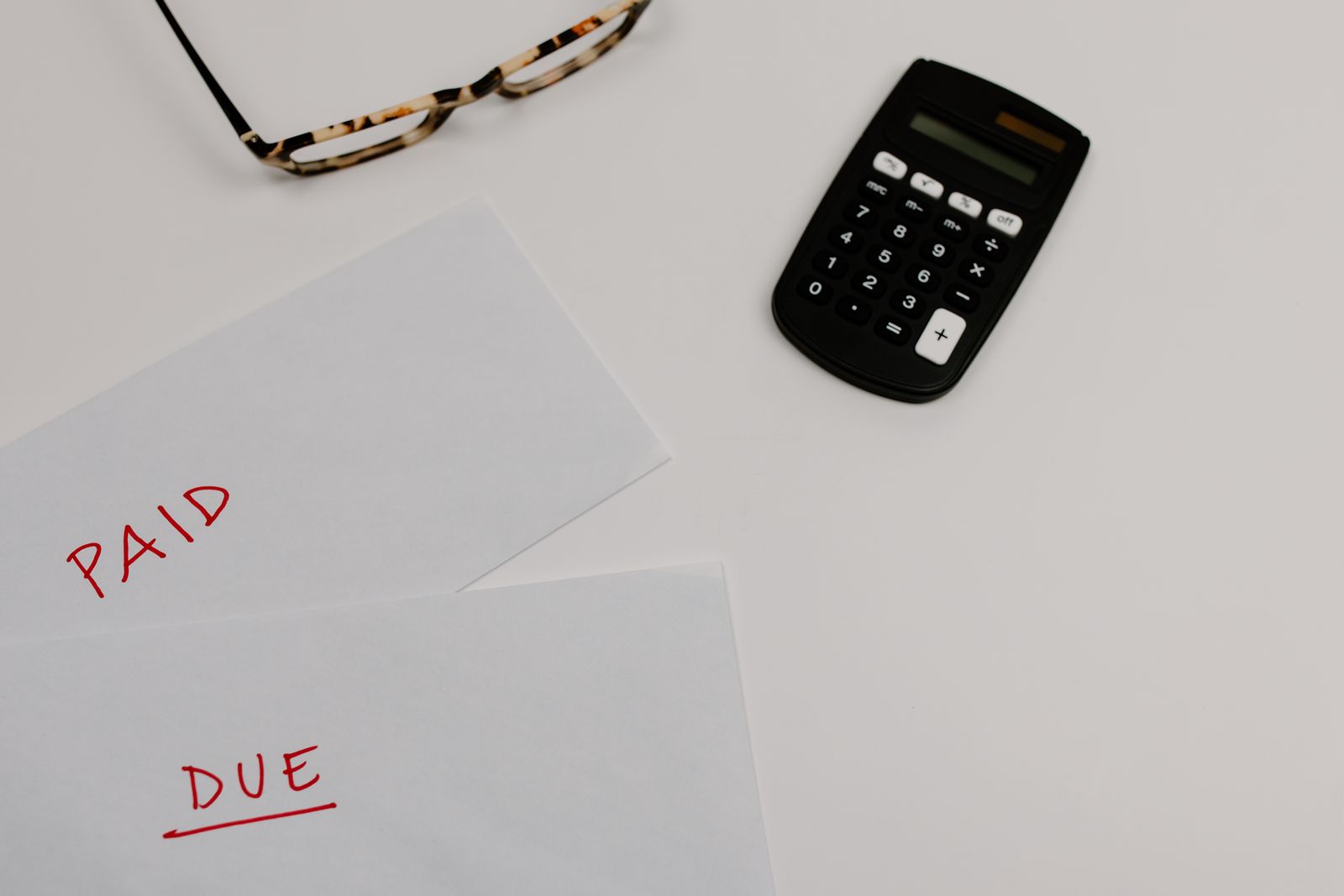
Notice what’s missing from that list: customers who simply refuse to pay. Most late invoices aren’t a collections problem. They’re a process problem that shows up as a collections problem. That’s good news, because process problems are exactly what automation fixes.
How Can AI Speed Up the Quote Stage?
By making the first draft instant and the follow-up automatic. Proposify analyzed 742,137 proposals sent through its platform in 2025 and found the average time from sending to the buyer opening was 34 minutes, with winning proposals viewed an average of 12 times versus 8 for losing ones (Proposify, State of Proposals 2026).
A caveat is needed here. That’s one vendor’s platform data, so it shows a pattern in how buyers behave rather than a guaranteed lift for your business. Still, the pattern is useful: engaged buyers close. AI helps in three places:
- Instant first draft: From a form fill, call note, or site visit summary, AI drafts the quote from your own price list and past jobs. You review and send, instead of starting from a blank page.
- Open-triggered nudges: When a quote is opened but not answered, a short, relevant follow-up goes out within hours, not days.
- Silent-quote rescue: If nothing happens in a set window, AI sends a final check-in and flags the deal for a human call.
Trades feel this most. Our piece on how HVAC, plumbing, and electrical companies quote faster shows the pattern in practice, and agentic lead scoring covers the enquiries that never reach the quote stage at all.
What Does an Automated Quote-to-Payment Chain Look Like?
It’s a handful of connected steps layered over the tools you already use, with a person stepping in only for exceptions. Intuit reports that businesses using AI-generated invoice reminders get paid about five days faster than those sending standard reminders (Stacker, citing Intuit QuickBooks, 2025). That’s a vendor-reported figure, so test it against your own numbers.
- Accepted quote becomes a draft invoice automatically: No retyping. Line items, tax, and terms carry over, and a person approves anything unusual.
- The invoice goes out the same day with a pay link: Offer card, bank transfer, and wallet options so there’s no reason to wait for a cheque.
- A friendly pre-due reminder: A few days before the due date, a short message with the amount and the pay link. Many invoices are paid at this step.
- Escalating but polite follow-up: One reminder on the due date, another a week later, written in your voice. The tone gets firmer on the facts, never on emotion.
- Reply handling: “Can I pay Friday?” gets a logged promise-to-pay date. “There’s a mistake on this invoice” pauses the sequence and alerts a person.
- Payment matching and thank-you: When money lands, the invoice is marked paid, reminders stop, and a receipt goes out. Happy customers can then be steered toward a review or referral.
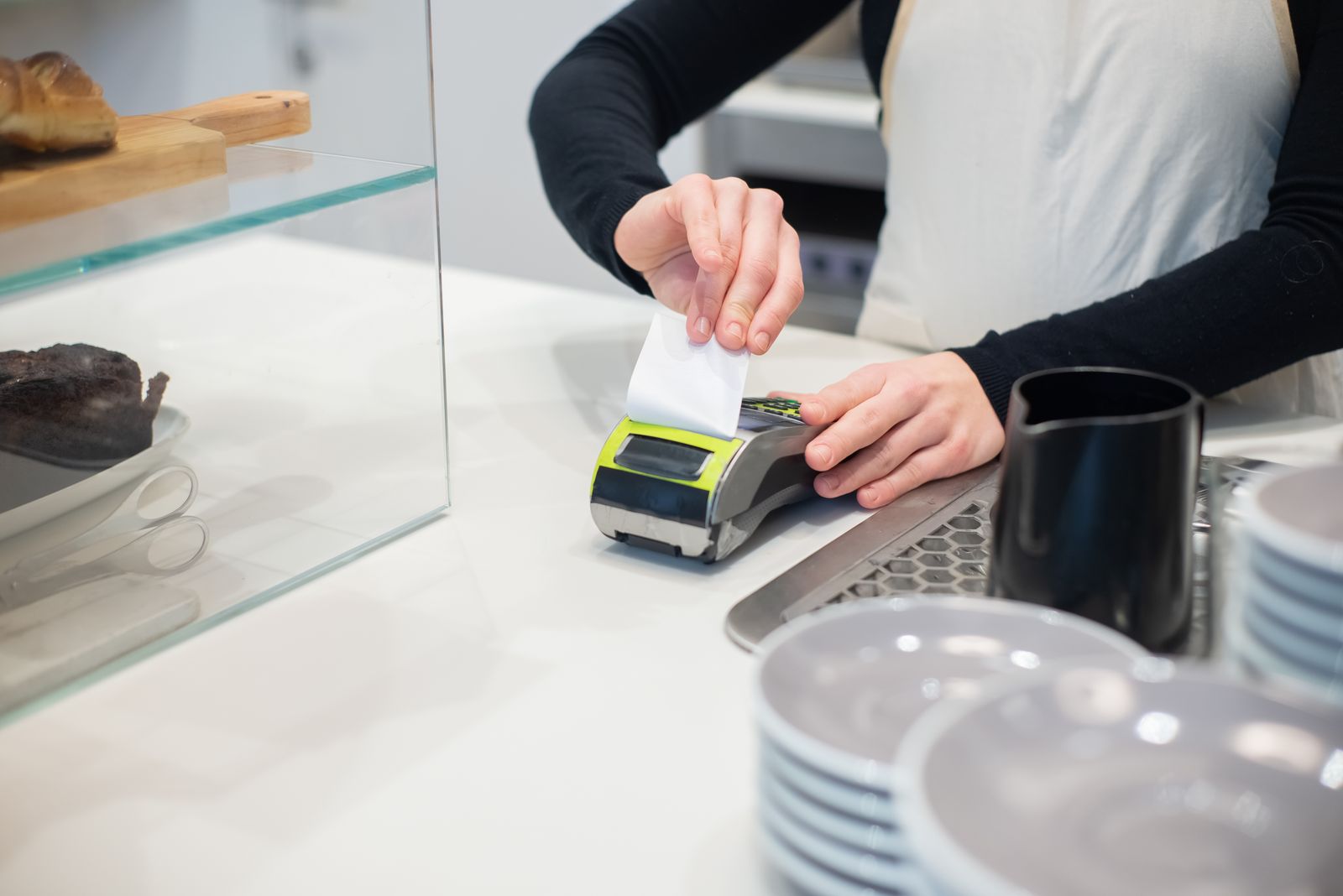
If you already run GoHighLevel, most of this is configuration rather than a build, as we explain in the 5 GoHighLevel automations to turn on first. Our AI-fy Your Business Processes service connects the quote, invoice, messaging, and payment tools you already have, so the chain runs without anyone playing messenger between systems.
A reminder sent three days before the due date is service. The same reminder sent thirty days after is a confrontation.
Does AI Collections Automation Actually Work?
Usually, yes, though the strongest evidence comes from larger companies. In an October 2025 Wakefield Research study for Billtrust, 99% of finance decision makers at North American companies already using AI in accounts receivable reported a lower days sales outstanding, and 75% reported a reduction of six days or more (CPA Practice Advisor, reporting the Billtrust and Wakefield Research study, October 23, 2025).
Two honest cautions. Those respondents run companies with over $250 million in revenue, and the numbers are self-reported. A five-person firm won’t see the same dollar impact, but it faces the same mechanics: faster contact, easier payment, fewer dropped balls. The same study found 82% scaled operations by 11% or more without adding staff, which is the real small-business promise: more volume, same headcount.
Back to our earlier illustration. If automation pulled payment forward by five days (the Intuit figure, used here as an assumption), that same $100,000-a-month business would collect about $16,700 sooner. That’s a one-time shift in cash timing, not extra revenue, but for a firm paying instant-transfer fees to cover payroll, it’s real relief.
Where Does Automated Collections Go Wrong?
In tone, timing, and blind spots. Automation makes whatever you set up run faster, including mistakes. Our post on what happens when you automate too fast describes the pattern. In payments, five problems come up most:
- Chasing a disputed invoice: Nothing damages a client relationship faster than automated reminders about a bill someone has already flagged. Dispute keywords should pause the sequence instantly.
- Reminding people who already paid: This happens when payment matching lags. Reconcile first, remind second.
- One tone for every customer: A ten-year client and a first-time buyer shouldn’t get the same message. Segment by history and invoice size.
- No human escalation: Large balances, repeated silence, and sensitive accounts need a person’s call, not a fifth email. The best handoff points are written down before launch.
- Mixing reminders with promotions: Keep payment messages strictly about the invoice. Adding offers can change how anti-spam and privacy rules treat the message, and you should get consent before texting. This is general information, not legal advice, so confirm details with counsel.
Relationship-sensitive businesses should read our guide to the AI retention system that cuts churn before switching on any dunning sequence. Getting paid and keeping the client aren’t opposing goals, but the wrong message can make them one.
How Do You Run a 30-Day Quote-to-Cash Pilot?
Measure first, fix handoffs second, and automate reminders last. Fixing a broken process with AI just breaks it faster. A four-week pilot on one service line gives you real numbers without a company-wide change:
- Week 1, map and baseline: Write down every step from enquiry to cash. Record four numbers: days from enquiry to quote, days from invoice to payment, average days late, and hours spent chasing.
- Week 2, fix the handoffs: Connect accepted quotes to draft invoices, add a pay link, and clean up payment terms. This step alone often shortens the chain before any AI is involved.
- Week 3, switch on reminders: Launch the pre-due, due-date, and follow-up sequence with dispute pause and a human escalation rule. Read the first replies yourself.
- Week 4, compare: Re-measure the same four numbers against your baseline, and against the 29.8-day, 11.6-days-late Canadian averages from Xero as a sanity check.
If you’re unsure which link in your chain leaks the most, or whether your tools can support this, AI Strategy Consulting maps the right first fix before anything is switched on. The invoices are already sent. A free AI audit with Aifyze will show you how much of that money could be in your account sooner.
Frequently Asked Questions
What is the quote-to-cash process?
It’s the full chain from sending a quote to banking the payment: quote, acceptance, invoice, reminders, payment, and reconciliation. Each handoff can slow cash. Intuit’s 2026 Late Payments Report found 59% of small businesses carry invoices overdue by 30 days or more, up from 47% a year earlier.
How much faster does AI get invoices paid?
Vendor figures point to a few days. Intuit reports that businesses using AI-generated invoice reminders get paid about five days faster than those sending standard reminders. That’s vendor-reported, so treat it as a direction and measure your own days-to-pay before and after a 30-day pilot.
Is it safe to let AI chase customers for payment?
Yes, with guardrails. Keep reminders factual and polite, pause the sequence when a customer disputes an invoice, and route sensitive accounts to a person. Atradius found bad debts written off as uncollectable average 6% of Canadian B2B invoices, so the aim is earlier contact, not harsher contact.
Do I need to replace QuickBooks, Xero, or my CRM?
No. The automation sits on top of your current tools. It reads quote and invoice status, sends messages, and writes outcomes back. Intuit found 59% of small businesses paid for instant transfers in 2025 to reach money they’d already earned, which points to a process gap rather than a software gap.
How should I measure whether it worked?
Track four numbers before and after: days from enquiry to quote, days from invoice to payment, average days late, and hours spent chasing. In Xero’s Q1 2026 data, Canadian small businesses waited 29.8 days to be paid and were 11.6 days late on average, a handy benchmark.
Sources
- Intuit QuickBooks, 2026 Small Business Late Payments Report, retrieved 2026-10-08, https://quickbooks.intuit.com/r/small-business-data/small-business-late-payments-report-2026/
- Intuit QuickBooks, 2025 Small Business Late Payments Report (47% overdue 30+ days, January 2025 survey of 2,487 U.S. small businesses), retrieved 2026-10-08, https://quickbooks.intuit.com/r/small-business-data/small-business-late-payments-report-2025/
- Stacker, Small businesses are owed $17,500 on average: How the fastest-paid are closing the gap (citing Intuit QuickBooks; AI reminders paid about five days faster, vendor-reported), retrieved 2026-10-08, https://www.aol.com/articles/small-businesses-owed-17-500-150003790.html
- Xero, Canadian small business sales show first positive month in 2026, but drop 4.0% overall in Q1, April 30, 2026, retrieved 2026-10-08, https://www.xero.com/media-releases/canada-xsbi-march-quarter/
- Atradius, B2B payment practices trends, Canada 2024, September 27, 2024, retrieved 2026-10-08, https://atradiuscollections.com/ca/knowledge-and-research/reports/b2b-payment-practices-trends-canada-2024
- Proposify, State of Proposals 2026 (742,137 proposals, 2025 platform data), retrieved 2026-10-08, https://www.proposify.com/state-of-proposals-2026
- CPA Practice Advisor, AI Is Reshaping Accounts Receivable: 99% of Enterprises Report Faster Payments (Billtrust and Wakefield Research), October 23, 2025, retrieved 2026-10-08, https://www.cpapracticeadvisor.com/2025/10/23/ai-is-reshaping-accounts-receivable-99-of-enterprises-report-faster-payments/